Leadless pacemakers
A leadless pacemaker is a self-contained pacemaker about the size of a large vitamin capsule that is placed inside the heart through a vein in the leg.
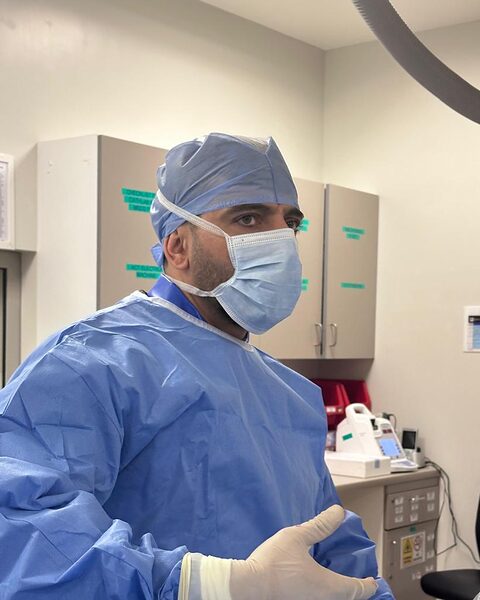
Read the guideA pacemaker is a small device placed under the skin below the collarbone that stops the heart from beating too slowly. One or two thin wires (leads) connect it to the heart. Dr Shady Habboush, who led a cardiac device department and pacemaker unit in Germany, implants and follows up pacemakers at Saudi German Hospital Dubai.
Risks include bleeding or bruising, infection of the device pocket, a lead moving out of position and, rarely, a collapsed lung or puncture of the heart. A leadless pacemaker avoids leads and a pocket and suits some people. If a slow rhythm is caused by medicines or another treatable cause, a pacemaker may not be needed at all.
Tests come first: an ECG and often rhythm monitoring over a day or longer, to link symptoms with a slow rhythm.
On the day, the area below the collarbone is numbed with local anaesthetic, and sedation may be offered.
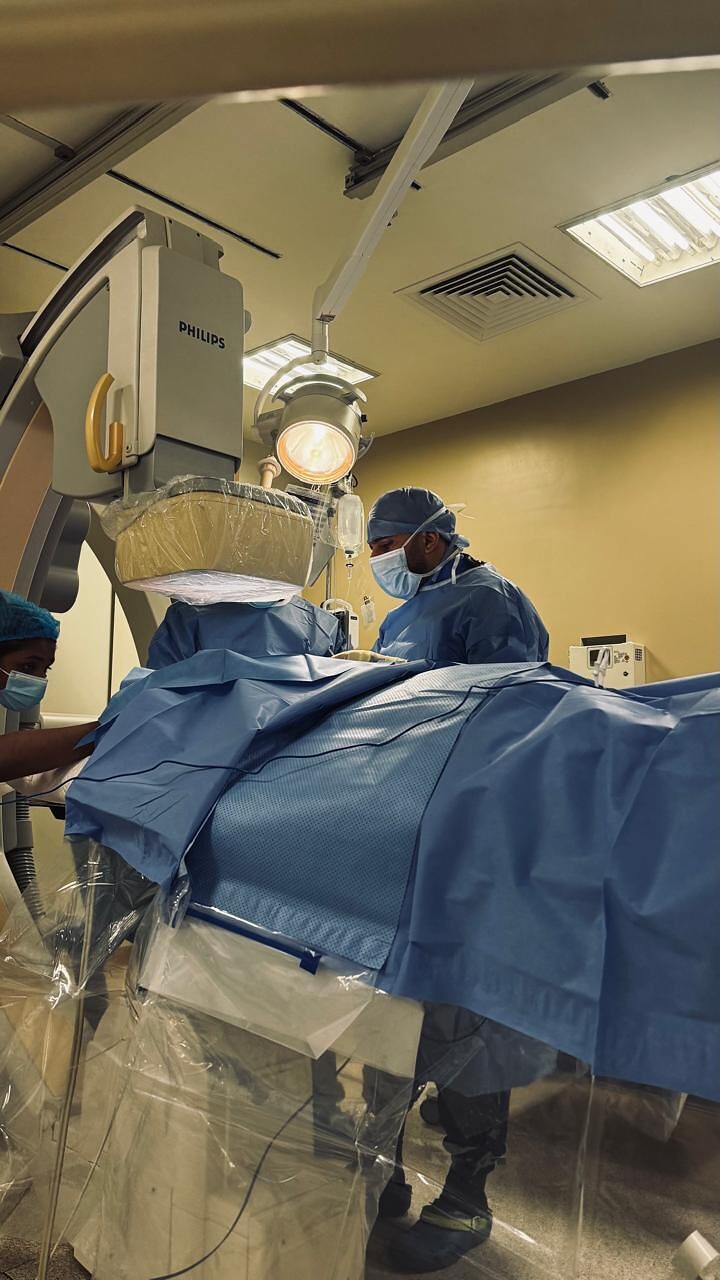
The lead or leads are guided through a vein into the heart under X-ray.
The pacemaker is connected and placed in a small pocket under the skin, and the wound is closed.
The device is tested and programmed before you leave the room. The procedure often takes about an hour.
Many people stay in hospital overnight, and some go home the same day. You will be given a device card.
For about 4 to 6 weeks, avoid raising the elbow on the pacemaker side above shoulder height, and avoid heavy lifting and vigorous exercise, so the leads can settle. There are driving rules after a pacemaker; you will be told when you can drive again.
Device checks are needed regularly, in clinic or by remote monitoring. Most daily activities, including mobile phones held to the opposite ear and household appliances, are fine.
When the heart beats too slowly or pauses and this causes symptoms such as dizziness, fainting or tiredness, or when tests show a type of heart block that carries risk. The decision is based on an ECG and rhythm monitoring.
It is usually done under local anaesthetic and often takes about an hour. It still has risks, which are explained before you decide.
Yes. Show your device card. Walk through the security arch normally and ask staff not to hold a hand-held wand over the device for long.
Usually several years, often 6 years or more, depending on the device and how much it paces. Battery life is checked at every device clinic, and the generator is replaced in a smaller procedure when needed.
Many modern systems are MRI-conditional, meaning a scan is possible under set conditions. Your device team must check and prepare the device beforehand.
A leadless pacemaker is a self-contained pacemaker about the size of a large vitamin capsule that is placed inside the heart through a vein in the leg.
Read the guideBradycardia means a slow heart rate, usually below 60 beats a minute at rest.
Read the guideAn ICD (implantable cardioverter-defibrillator) watches the heart rhythm and can treat a dangerous fast rhythm with pacing or a shock.
Read the guideMedical facts on this page follow the sources below.
Medically reviewed against ESC and NHS guidance · Updated October 2026. General information, not medical advice.
Appointments are made through Saudi German Hospital Dubai, Hessa Street, Al Barsha 3. Consultations in Arabic, English and German.
Chest pain right now? Do not wait for an appointment. Call 998 or go to the nearest emergency department.