Chest pain and angina
Pressure or tightness in the chest, often with effort, can mean the heart muscle is short of blood. It deserves a proper assessment.
German-trained in coronary intervention and cardiac devices. Clear explanations in Arabic, English or German, and time for your questions.
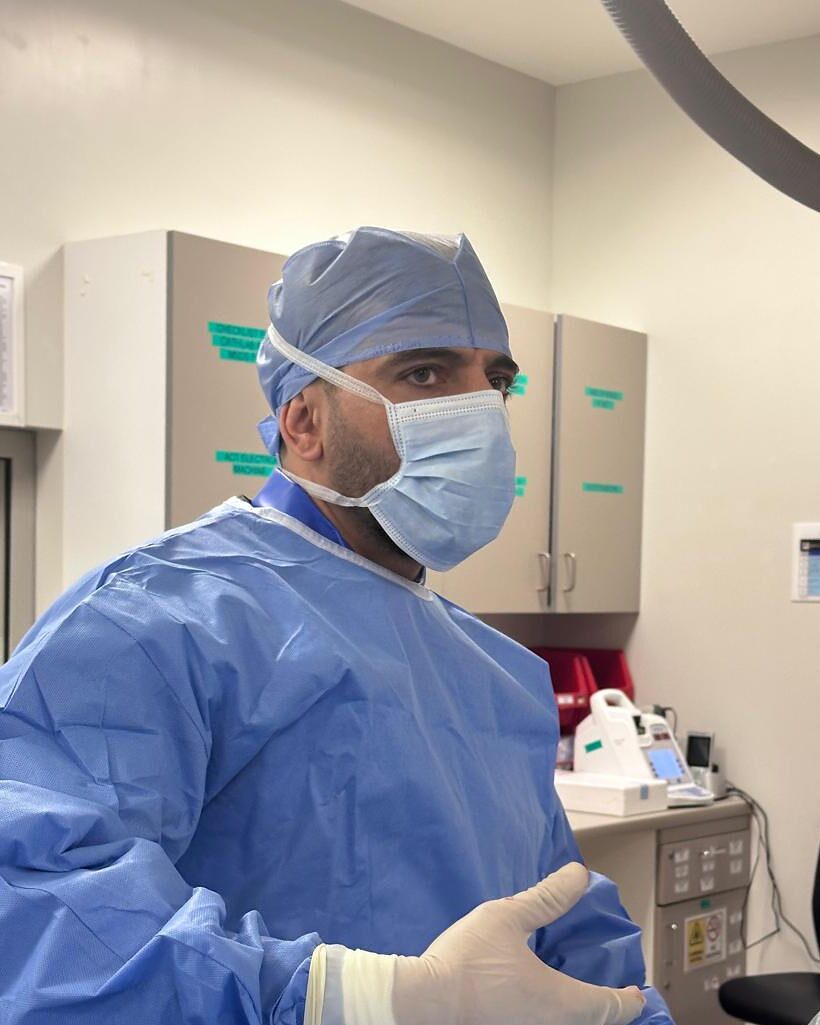
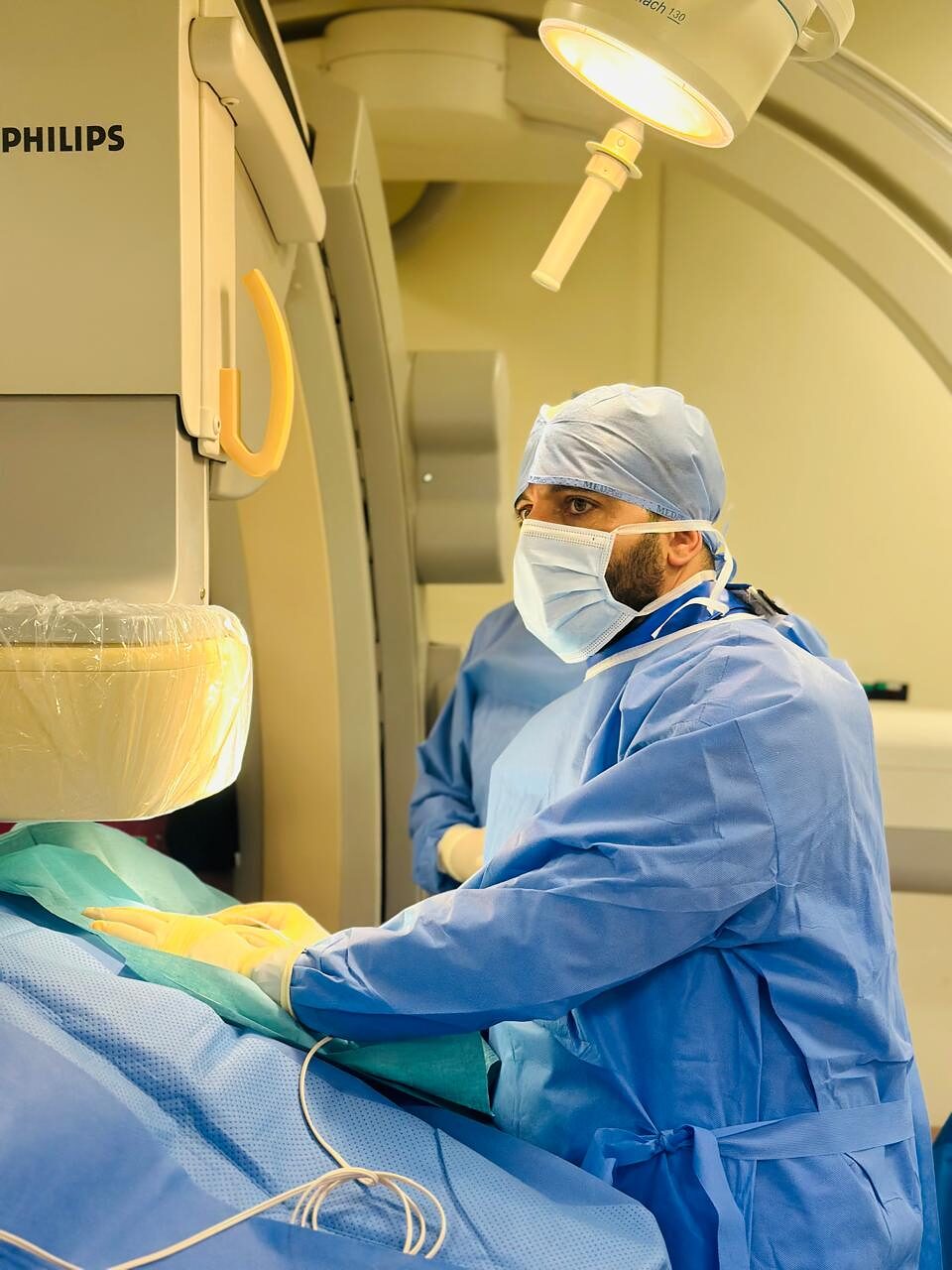
Dr Shady Habboush is a consultant interventional cardiologist. He trained and worked in Germany, where he became board certified in internal medicine and in cardiology.
Before moving to Dubai, he led the cardiac device department and pacemaker unit at a university hospital in western Germany. His work covers both the heart's arteries and its rhythm: from the first assessment of chest pain to angiography, stents and pacemakers.
His aim is simple: listen properly, explain clearly, and choose the treatment that fits you. No rush, and no tests you do not need.
A short guide to the conditions and procedures Dr Shady sees most often. It is general information. Your own plan is always discussed with you in person.
Pressure or tightness in the chest, often with effort, can mean the heart muscle is short of blood. It deserves a proper assessment.
Fatty plaque narrows the arteries that feed the heart. Treatment ranges from lifestyle changes and medicines to opening the artery.
A sudden blockage in a heart artery is an emergency: call 998. Afterwards comes recovery, and protecting the heart for the long term.
A racing, skipping or pounding heartbeat. Many causes are harmless and some need treatment. An ECG and rhythm monitoring help tell them apart.
When the heart beats too slowly it can cause tiredness, dizziness or fainting. Some people need a pacemaker.
Two quiet risk factors that often cause no symptoms for years. Finding and treating them early lowers the risk of heart attack and stroke.
A thin tube is passed, often from the wrist, to the heart's arteries. Contrast dye and X-ray show whether any are narrowed.
A small balloon widens a narrowed artery, and a stent, a fine mesh tube, helps keep it open. It is often done straight after the angiogram.
A small device that stops the heart from beating too slowly. A leadless pacemaker is a tiny capsule placed inside the heart, with no wires under the skin.
An ICD watches for dangerous fast rhythms and can treat them. CRT helps both sides of a weakened heart beat together.
History, examination, an ECG and only the tests you need, followed by a clear explanation of your own risk.
Every procedure has benefits and risks. Dr Shady goes through them with you, and the alternatives, before any decision is made.
Send a WhatsApp message to the hospital's appointment line, and the team finds a time that suits you.
The visit starts with your symptoms, your history and an examination. Bring previous ECGs, reports and a list of your medicines.
An ECG and, where needed, further tests. Nothing is added without a reason.
Results explained plainly in Arabic, English or German. Benefits, risks and alternatives come before any decision.
Book an appointment if any of these apply to you. If you are unsure, it is reasonable to ask.
Do not wait for an appointment. Call 998 or go to the nearest emergency department.
Bring any previous ECGs, echo reports and blood tests, and a list of the medicines you take. The visit starts with your story and an examination.
Dr Shady at work in the cath lab, where angiograms, stents and pacemakers are done.
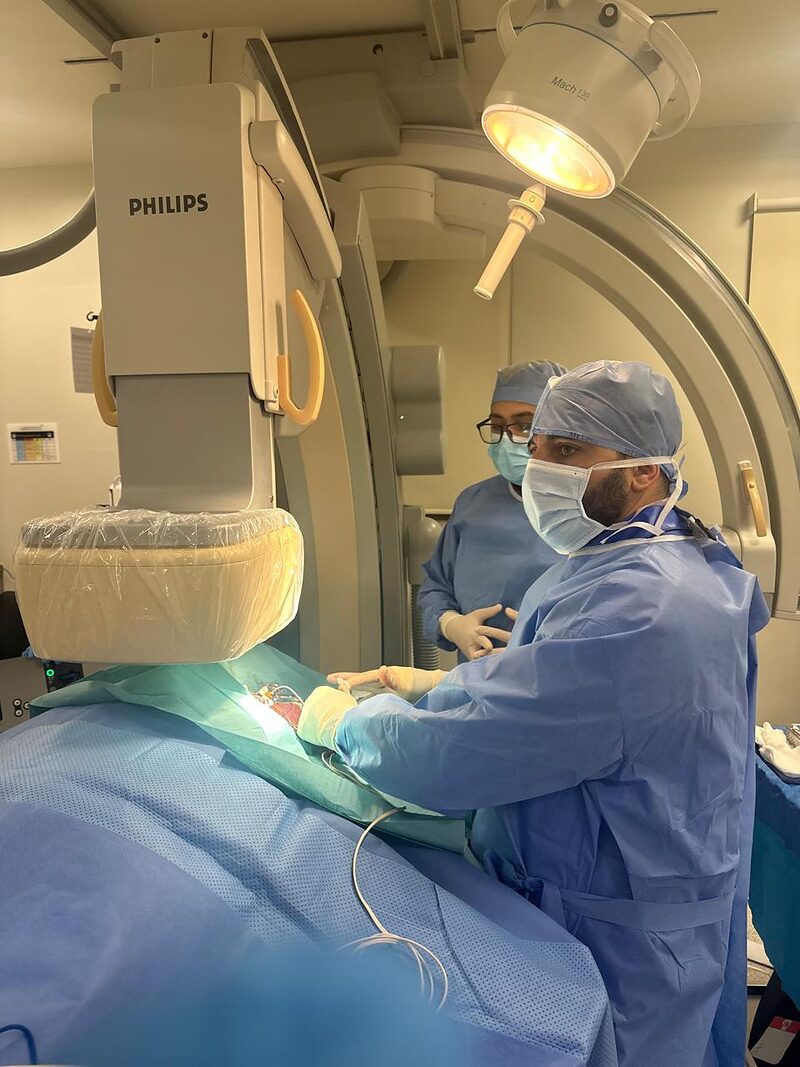
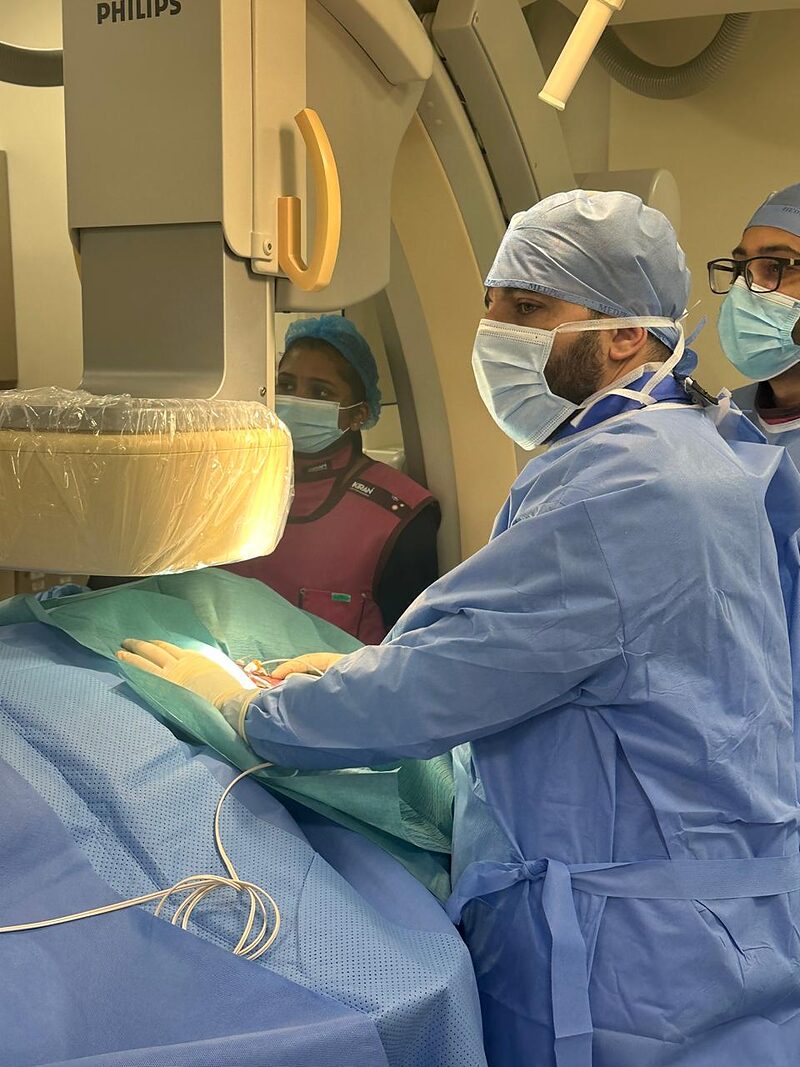
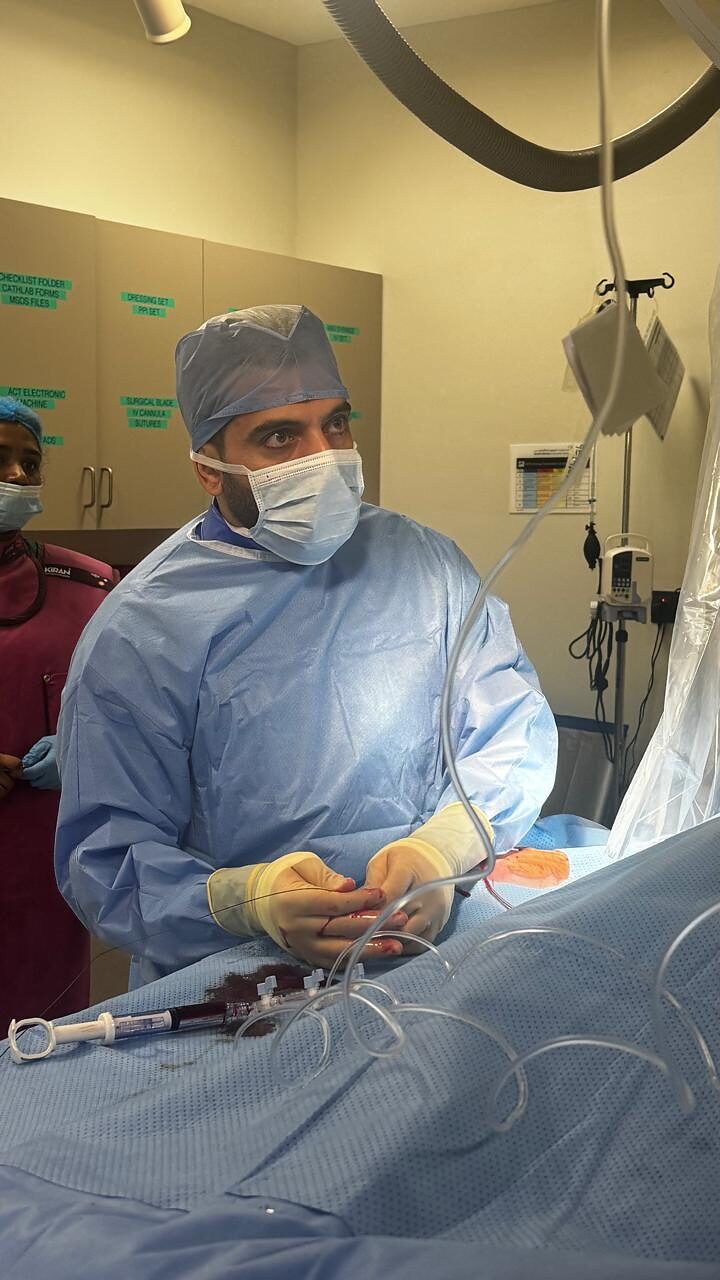
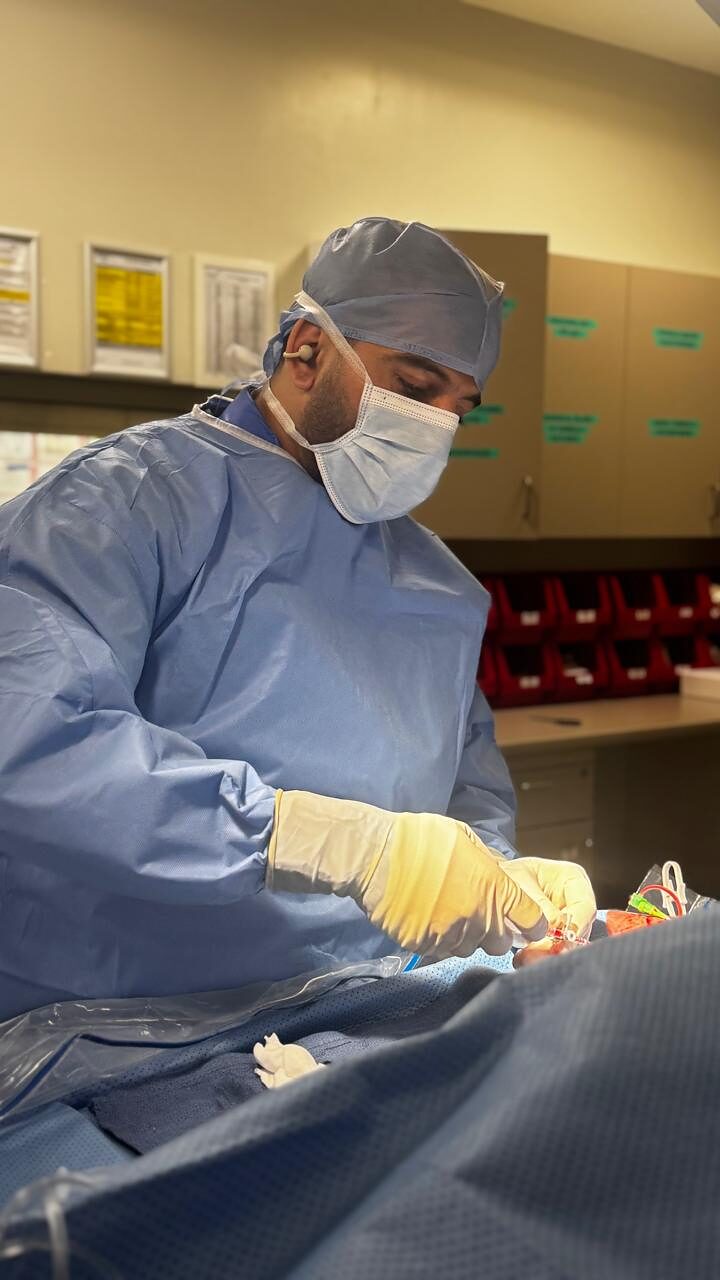
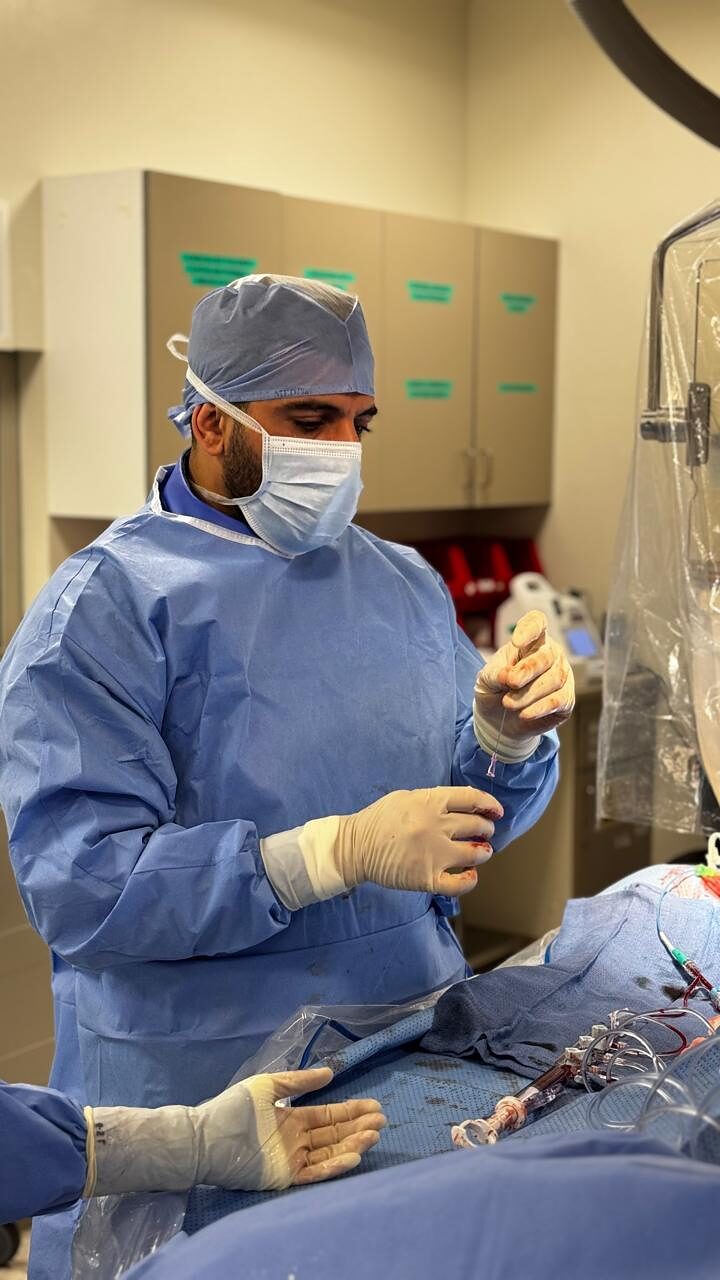
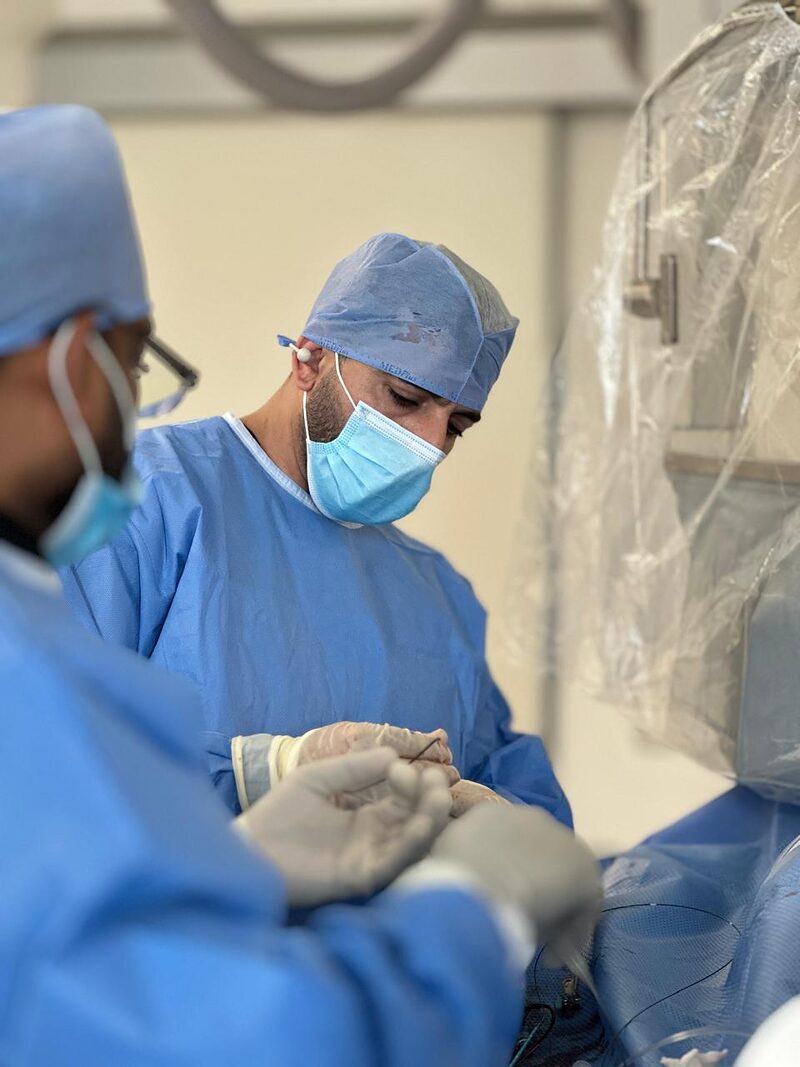
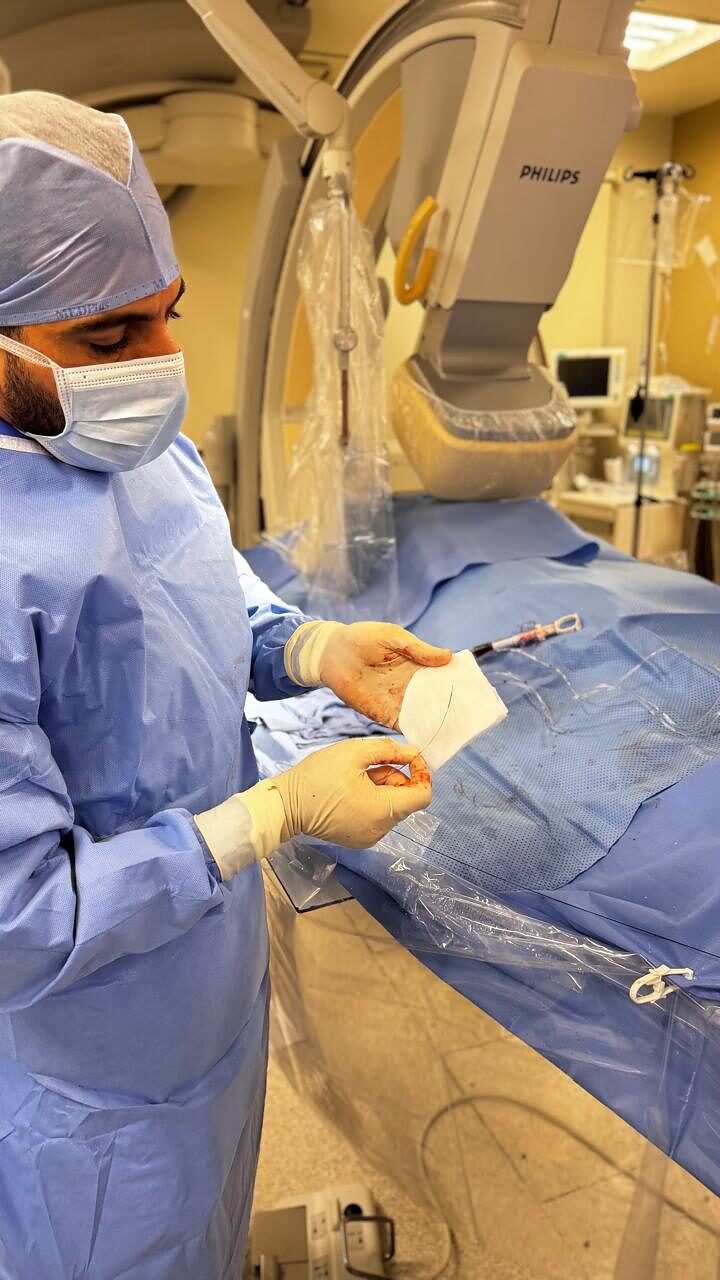
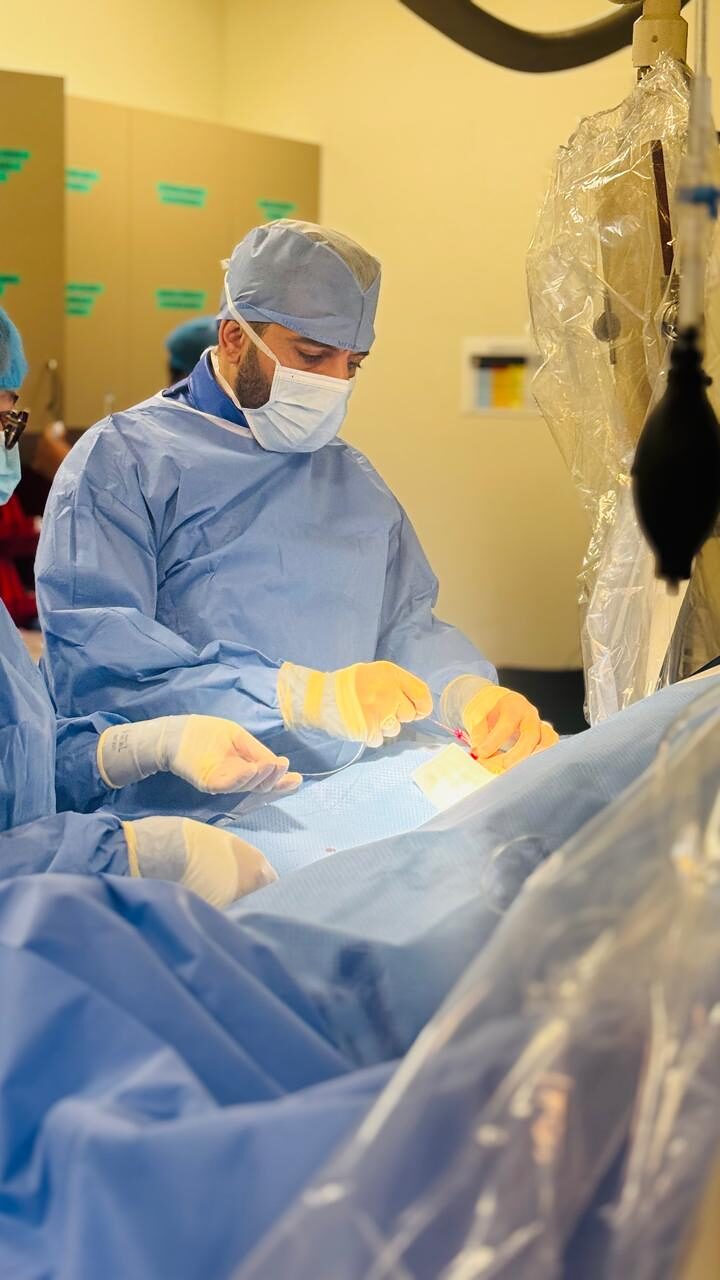
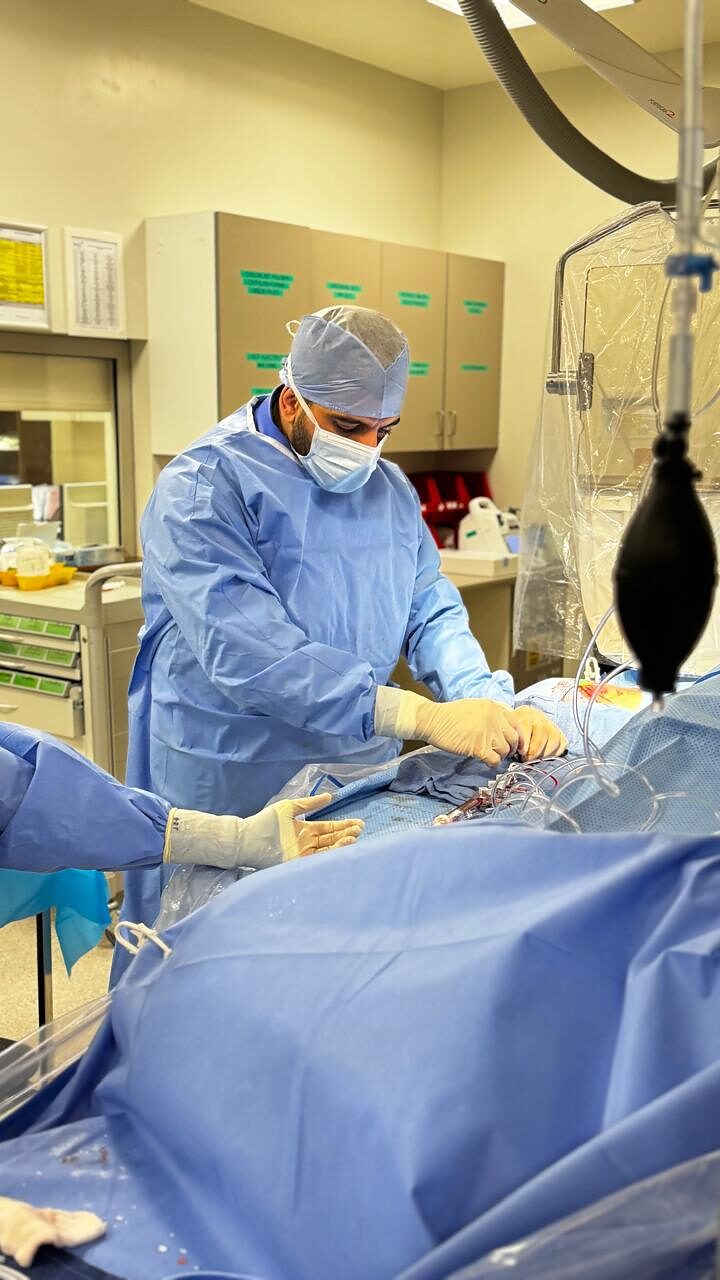
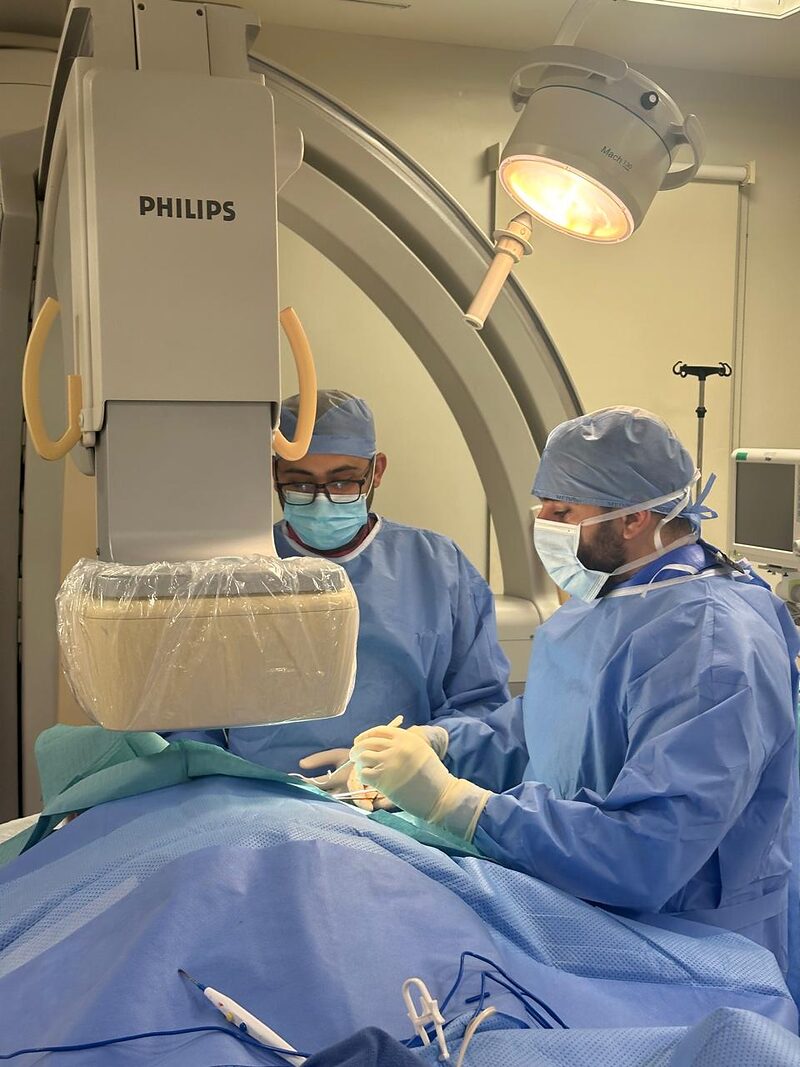
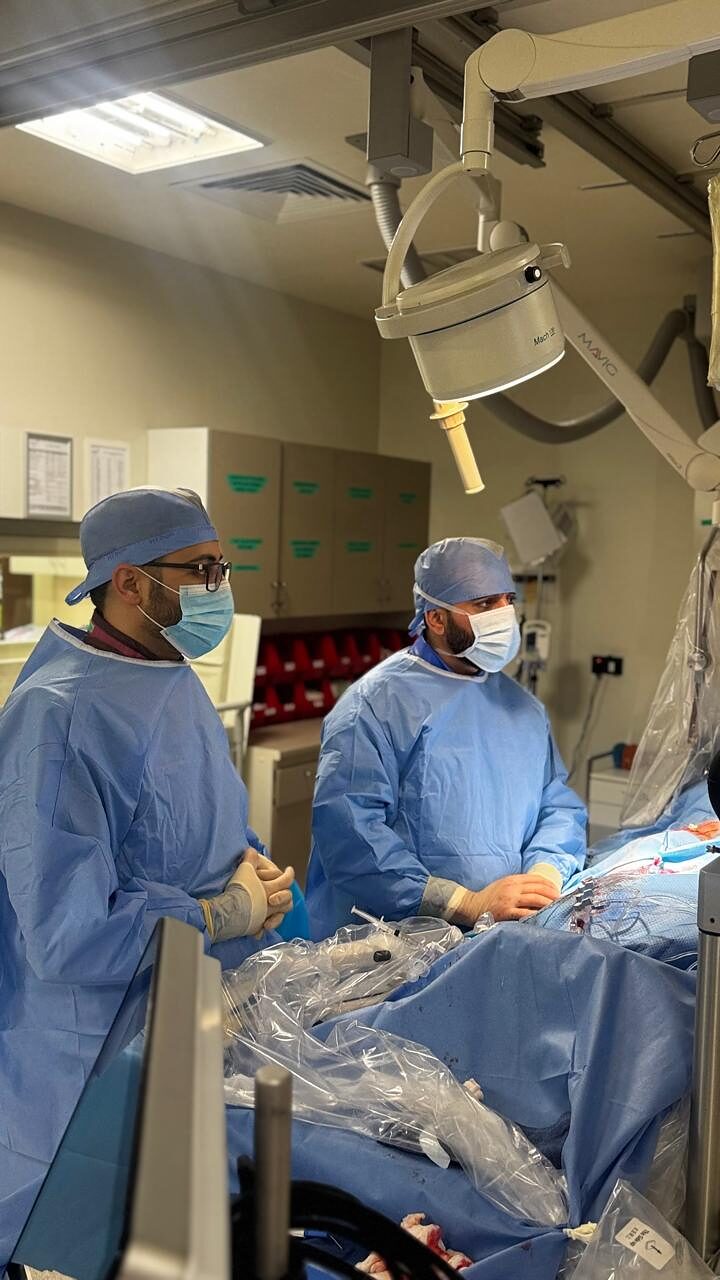
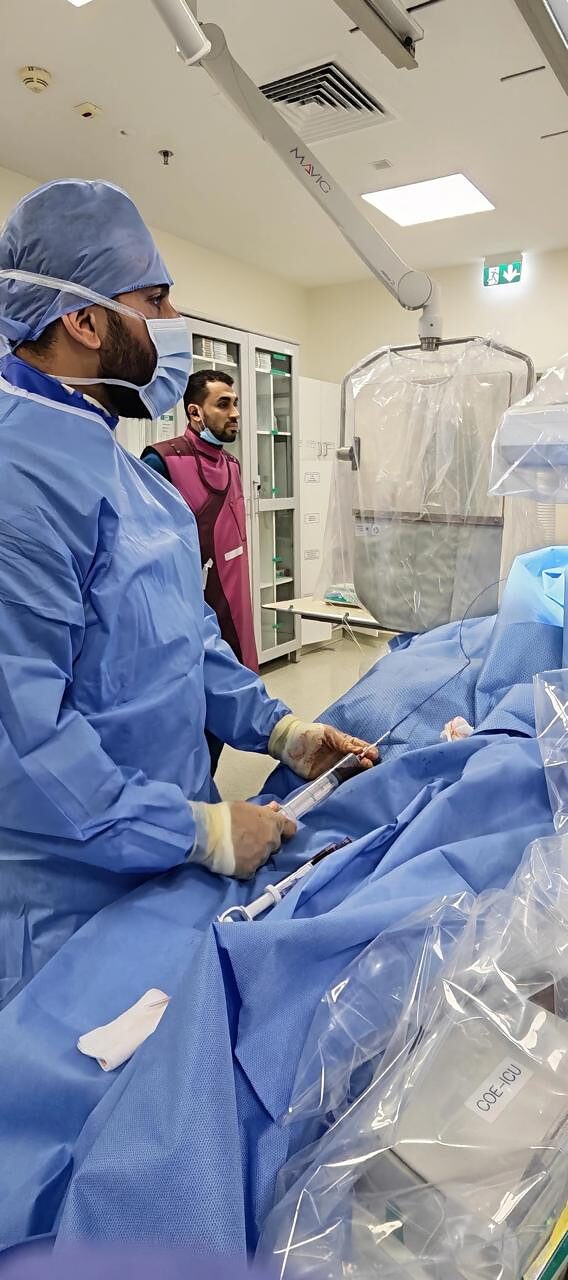
Photos shared with the hospital's approval. No patient faces, names or screen details are shown.
Short excerpts quoted word for word from his public profiles, with first names and initials only as shown there. Read every review in full at the source.
“Great doctor”
“He explained the procedure to me thoroughly”
“Excellent service”
“His extensive and reassuring presence eased my anxiety”
“Amazing doctor”
“Dr. Shady was extremely responsive, helpful and caring”
“Excellent Doctor”
“He is hands on, always available for his patients”
Every patient is asked for a review the same way. No discount, gift or reward is ever offered for a review.
An interventional cardiologist is a heart specialist who can also treat some heart conditions through a thin tube (catheter) passed along a blood vessel, instead of open surgery. Dr Shady's work includes coronary angiography, stents, and implanting pacemakers and other cardiac devices.
No. Chest pain can come from the muscles, the stomach, the lungs or stress. It should still be checked. Sudden, severe or crushing chest pain is an emergency: call 998.
It is an X-ray test that shows the arteries of the heart. A thin tube is passed, often from the wrist, and a contrast dye makes the arteries visible. If a narrowing is found, it can sometimes be treated in the same session. Risks and benefits are explained before you decide.
Angiography is the test that shows whether an artery is narrowed. Angioplasty is the treatment that opens it, usually with a balloon and a stent.
A pacemaker is considered when the heart beats too slowly or pauses, causing symptoms such as dizziness, fainting or tiredness. The decision is based on tests such as an ECG and rhythm monitoring.
A pacemaker in a small capsule that sits inside the heart. It has no wires and no pocket under the skin. It suits some patients but not all, and Dr Shady can explain whether it is an option for you.
Many patients book directly. Some insurance plans ask for a referral first, so it is worth checking with your insurer when you book.
Arabic, English and German.
Previous ECGs, echo or stress test reports, recent blood tests, discharge letters if you have them, and a list of your current medicines.
Appointments are made through the hospital where Dr Shady practises. You can message the hospital's appointment line on WhatsApp or use the hospital's booking page. Both are linked below.
Appointments are made through the hospital. Message the appointment line on WhatsApp, or use the hospital's booking page.
Chest pain right now? Do not wait for an appointment. Call 998 or go to the nearest emergency department.